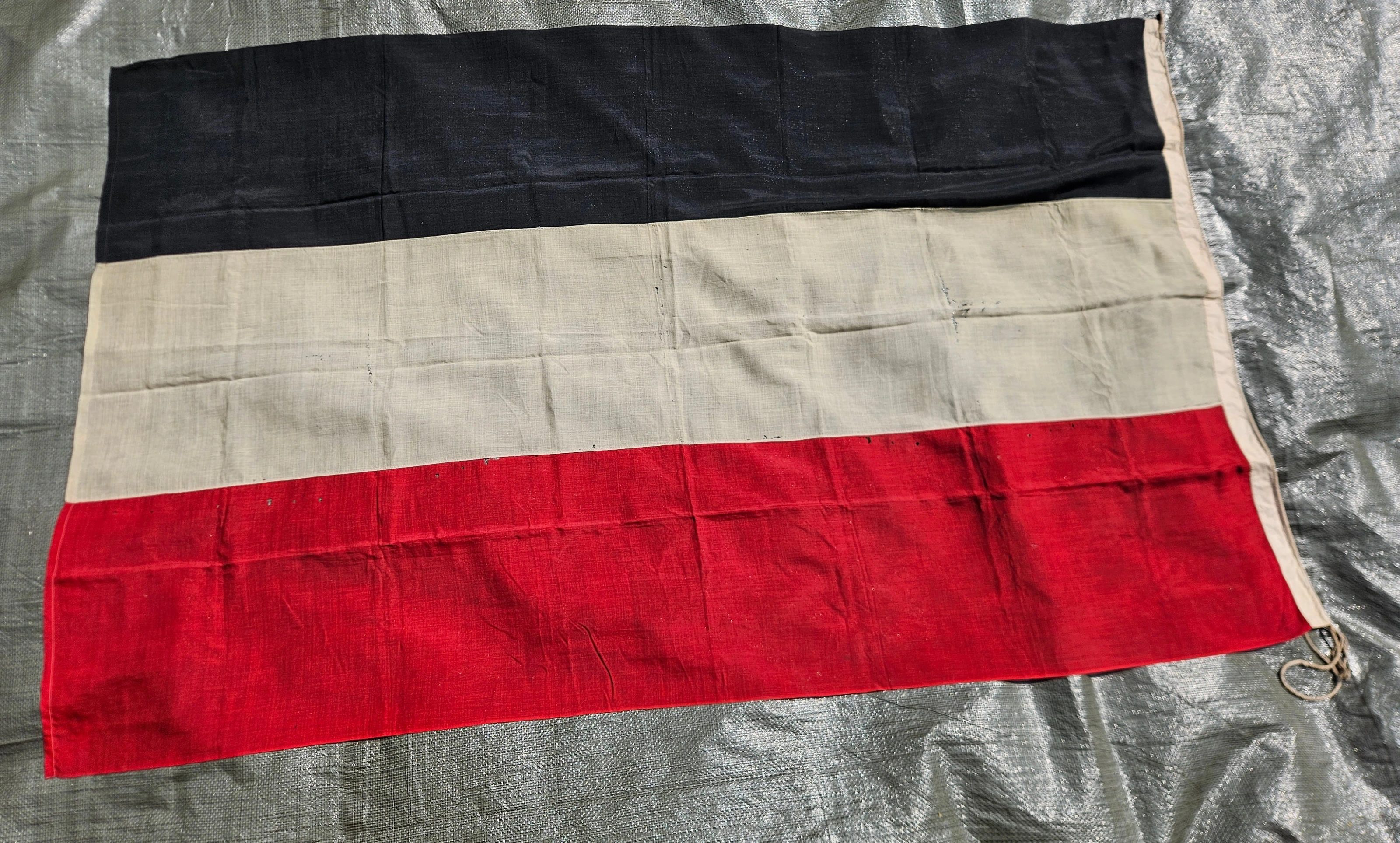
FLAG ID · FG-032
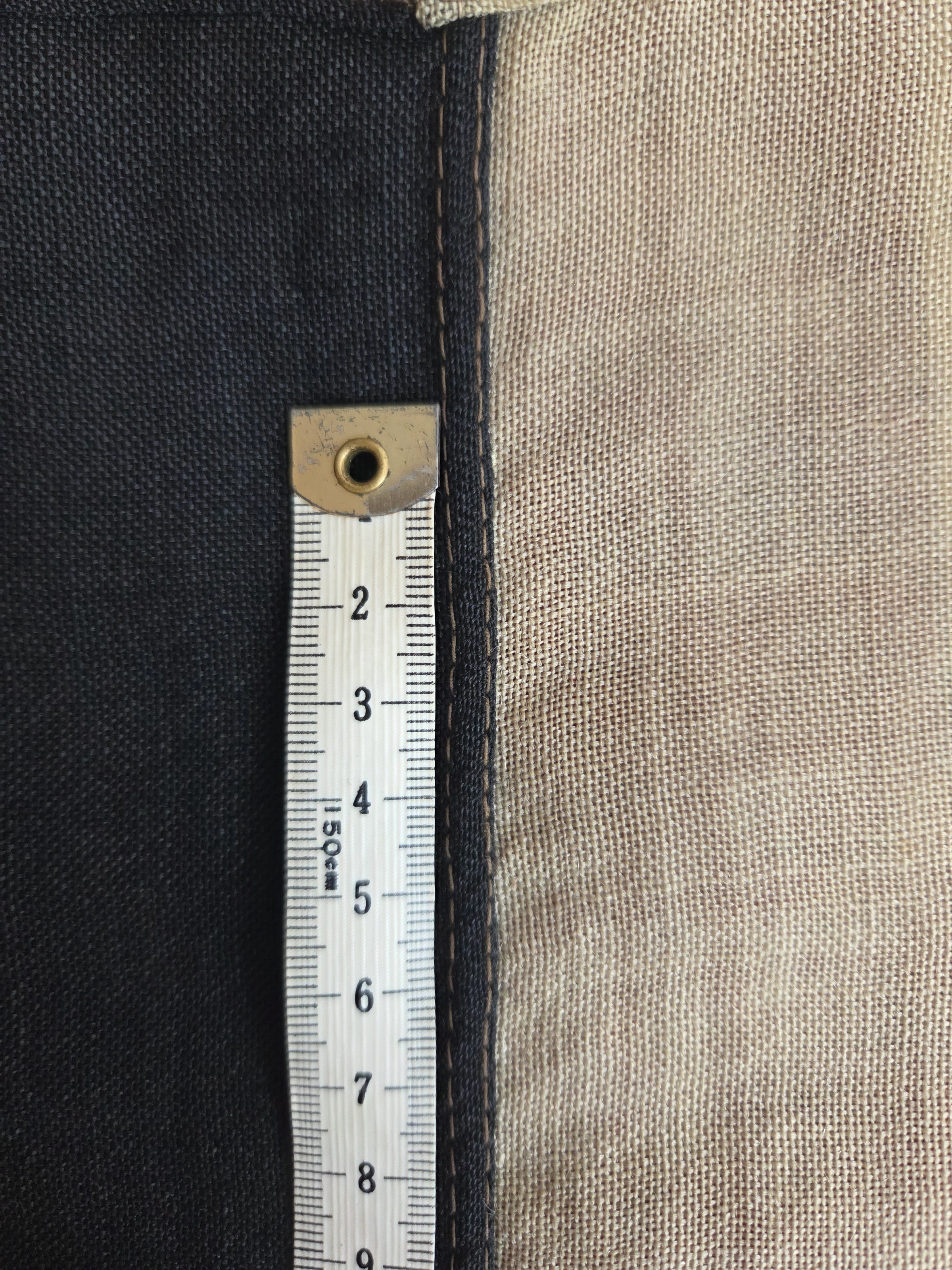
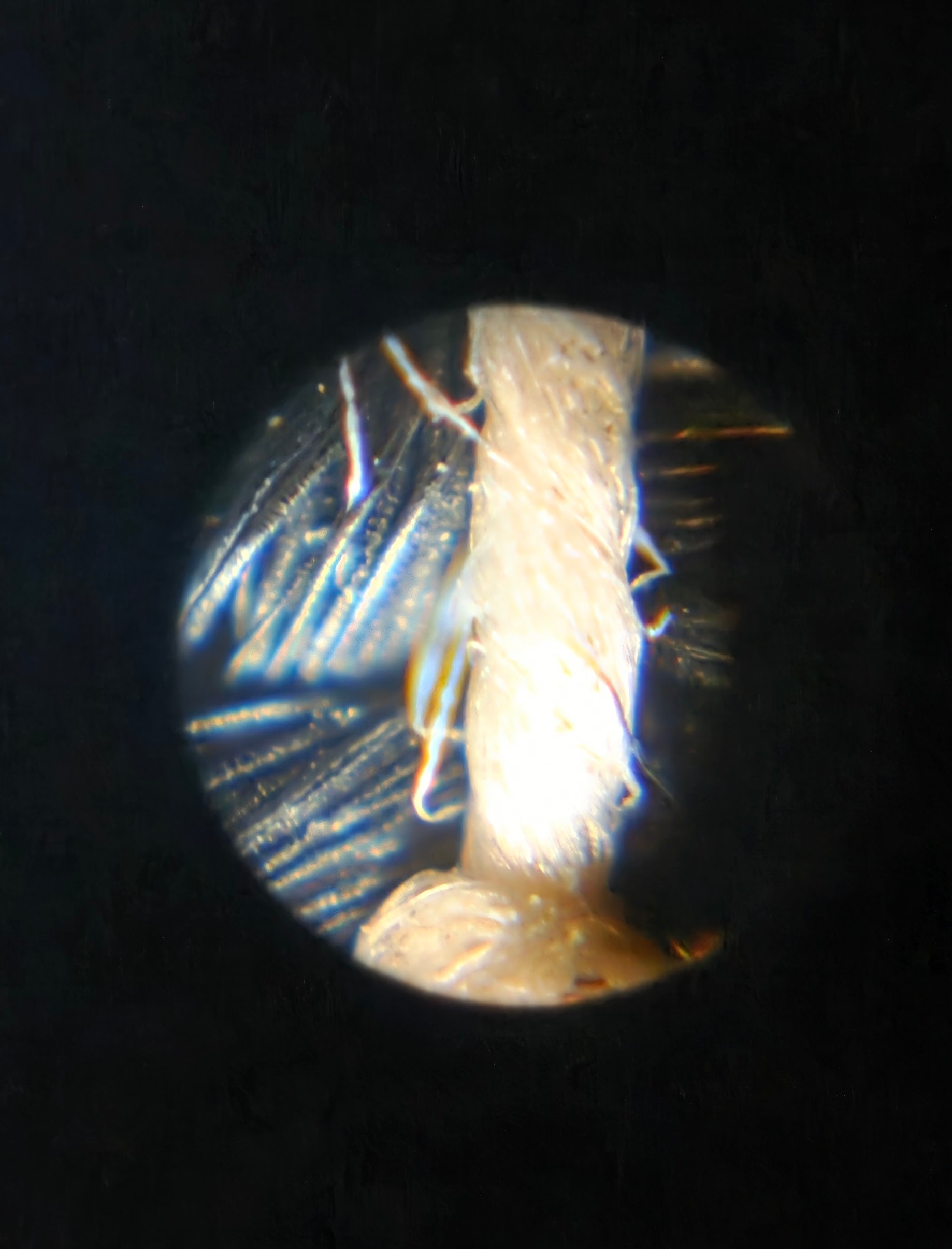
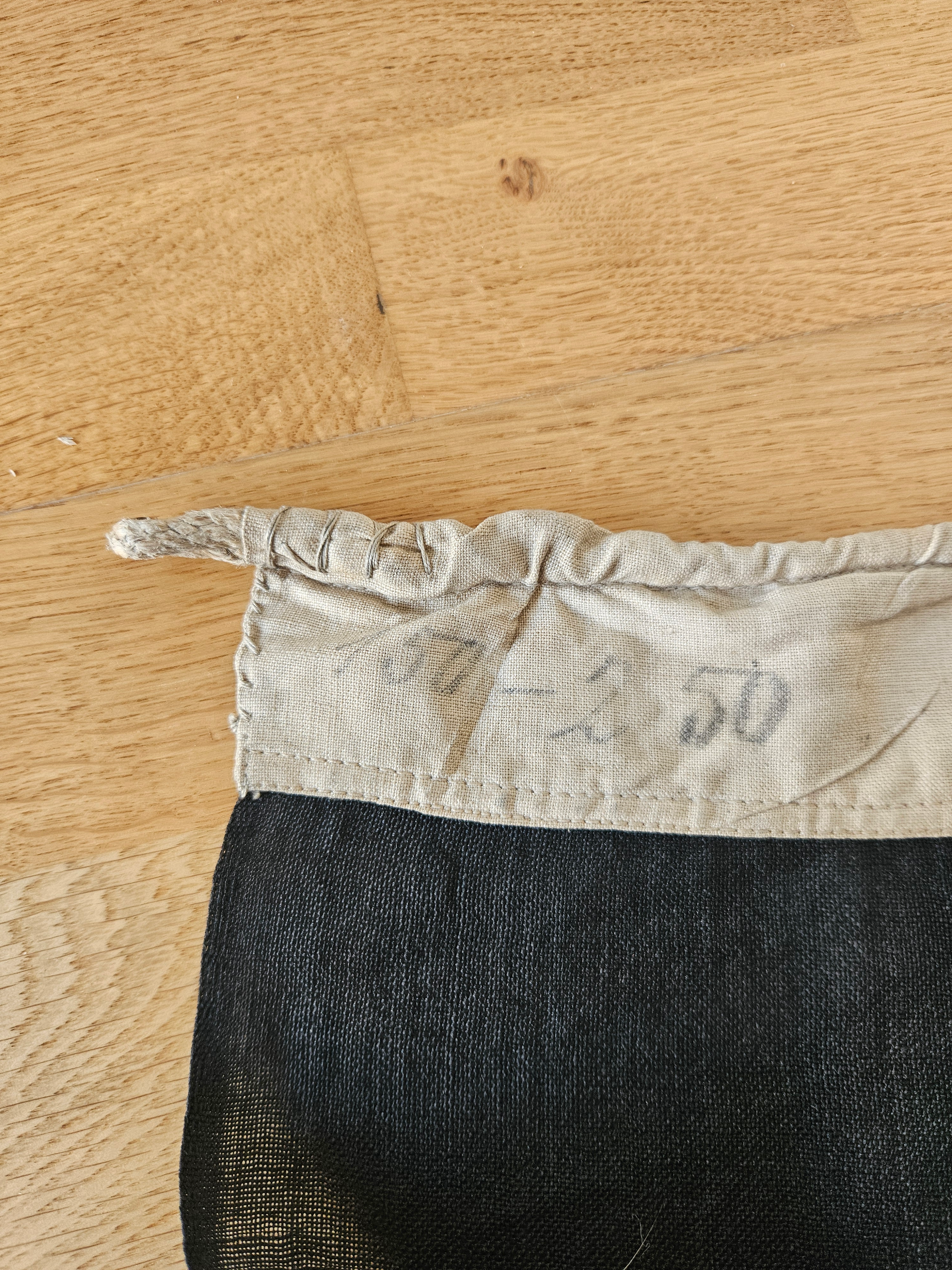
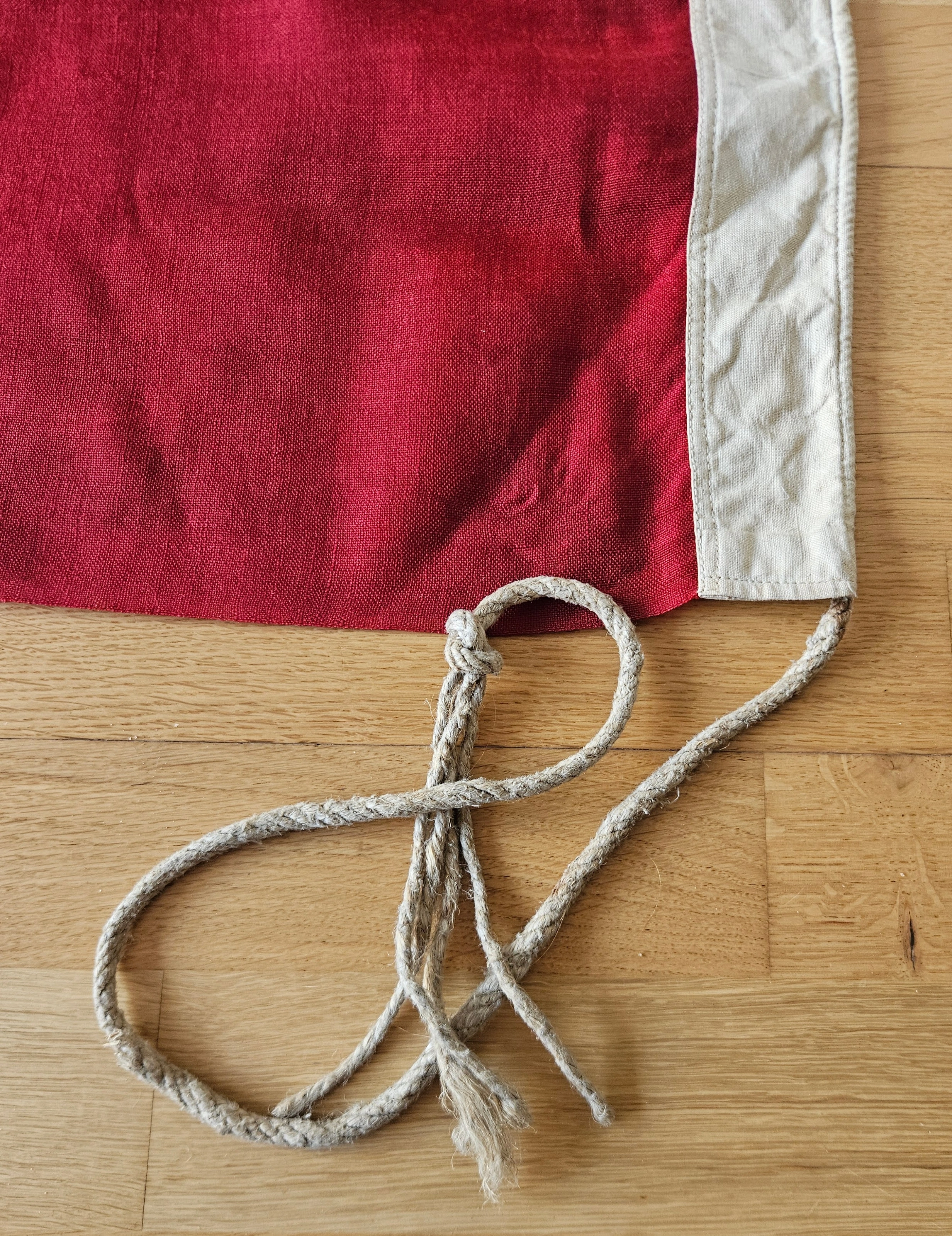
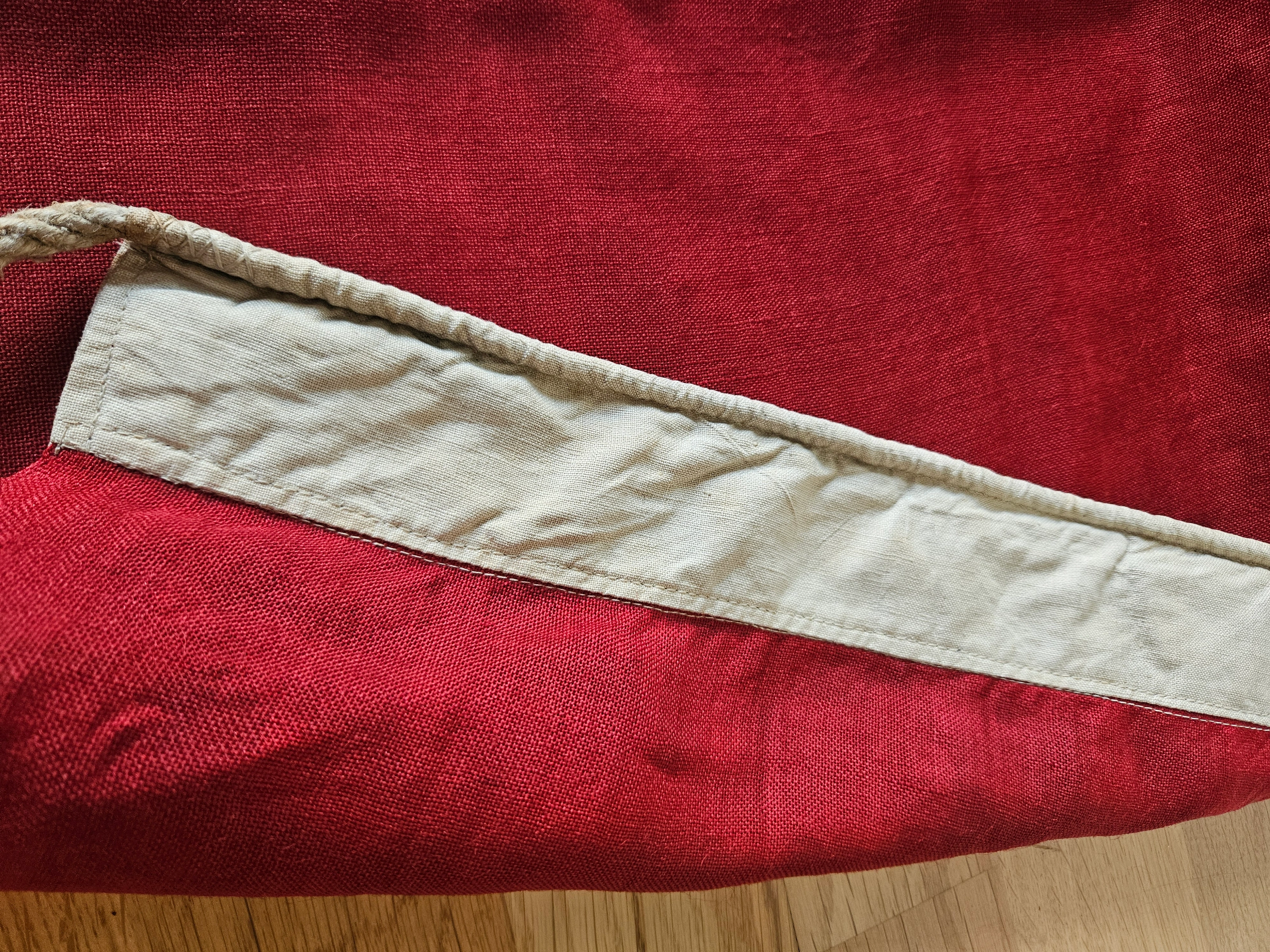
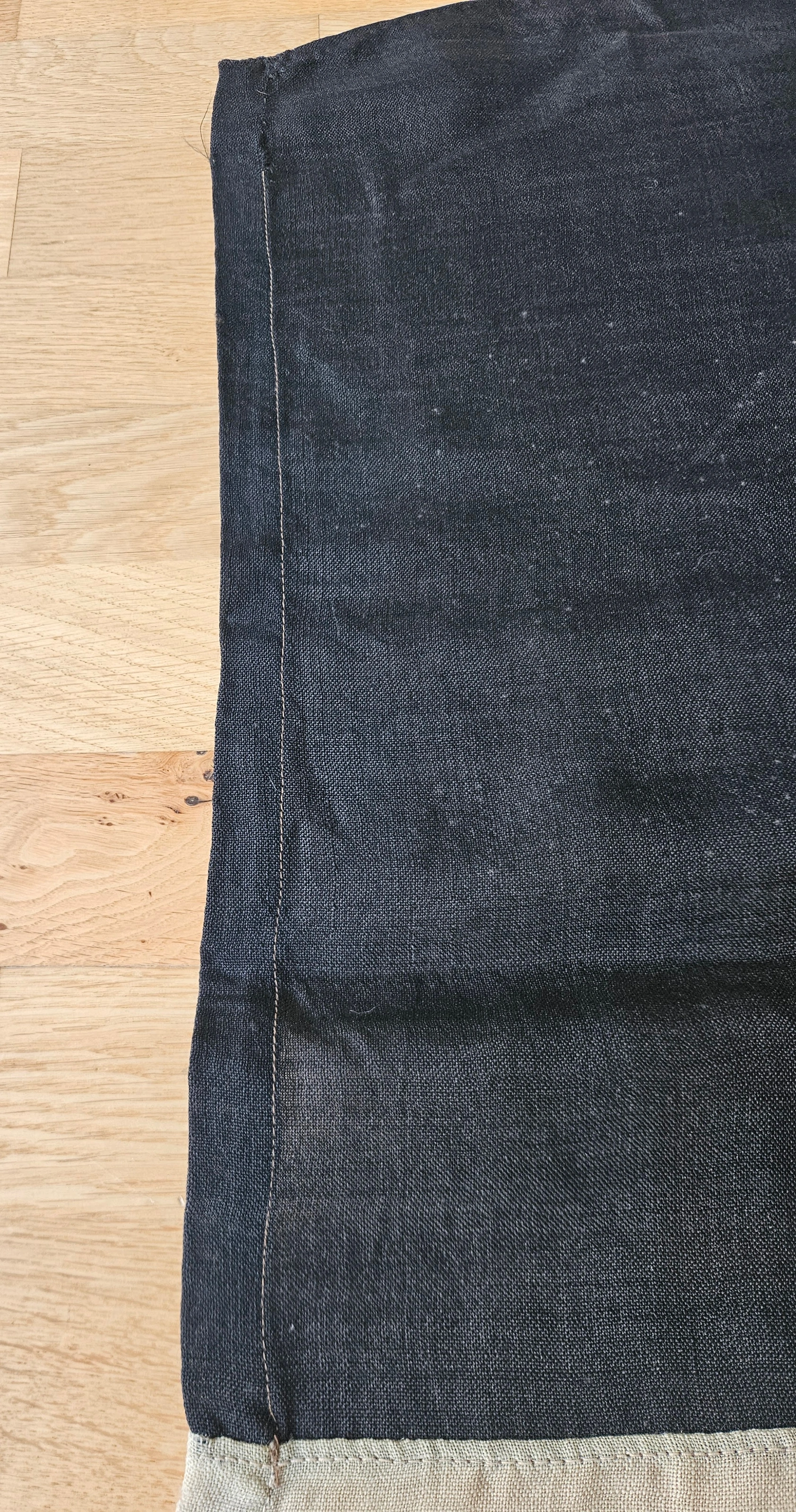
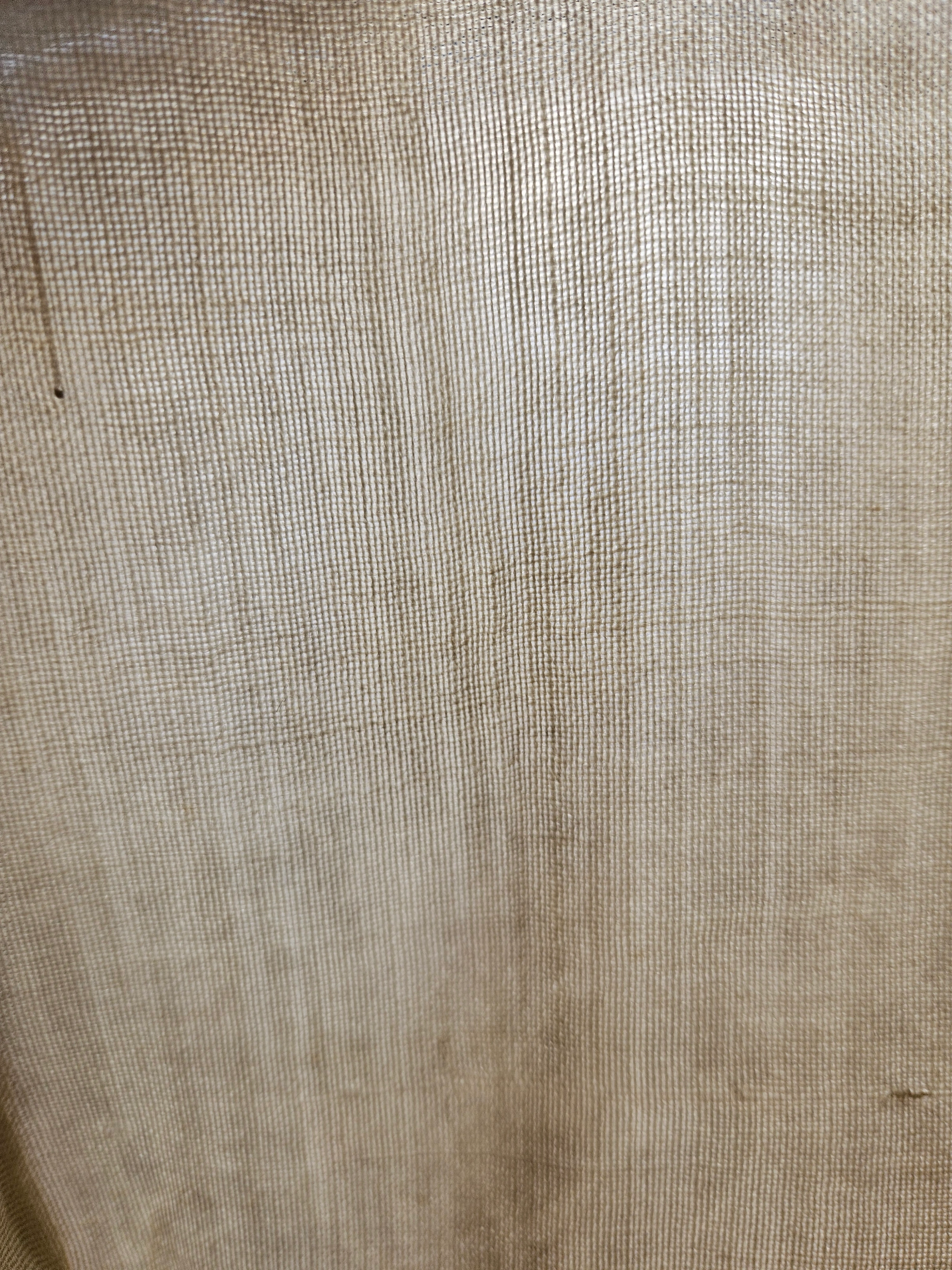
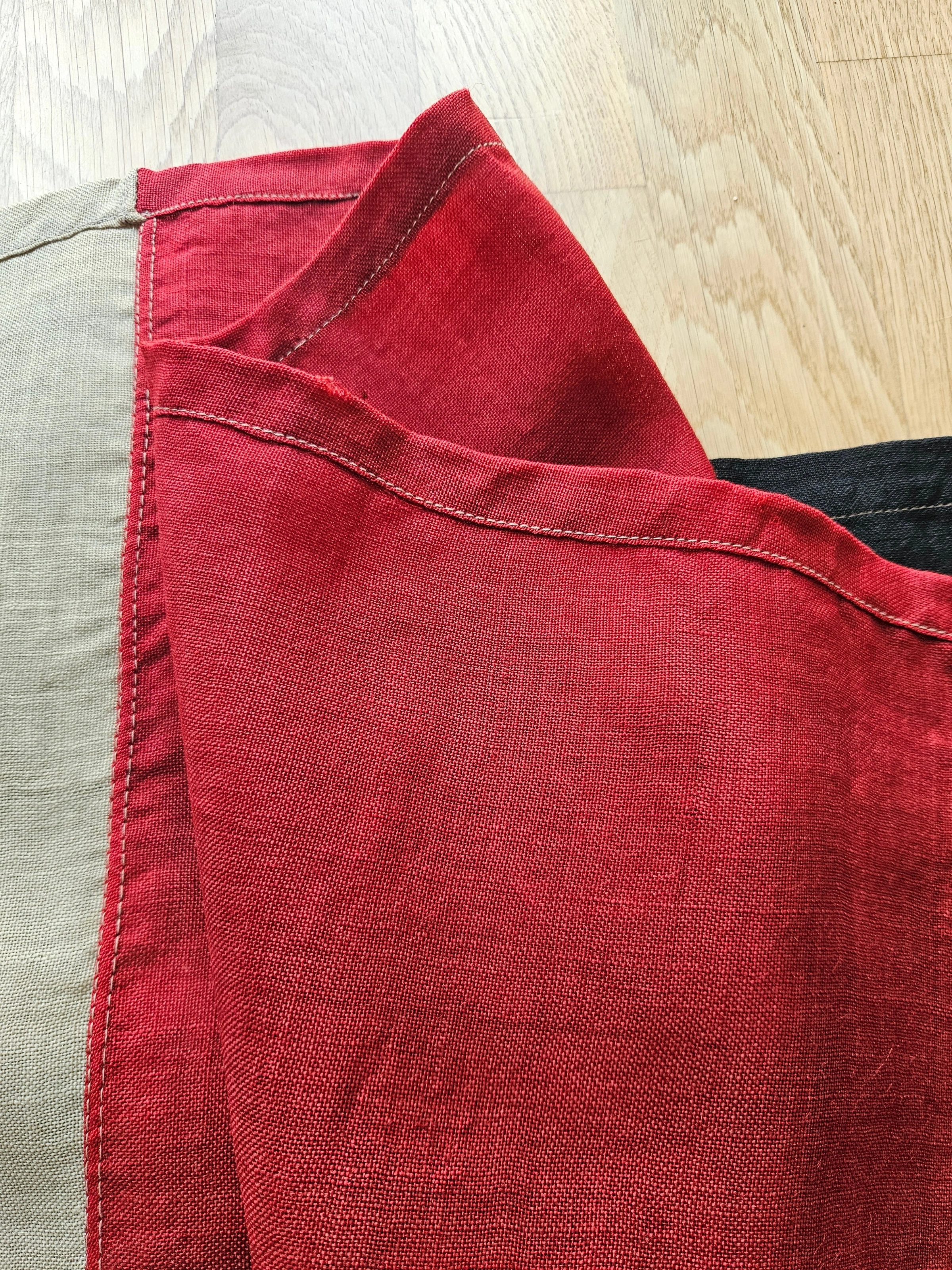
Flag ID: FG-032 This investigation focuses on determining the approximate production period of a German Empire tricolour through textile, construction, and material analysis. Dimensions: Approx. 150 × 250 cm (3:5 ratio) The flag is constructed from three stitched wool panels in black, white, and red. The wool is coarse and tightly woven, showing moderate irregularity in fibre thickness under magnification—typical of late 19th- to early 20th-century wool bunting rather than later, smoother mid-century textiles. The top and bottom edges follow the original woven selvedge and are finished with a single line of machine stitching, with no added binding tape or zig-zag reinforcement. The hoist uses a strip of unbleached cotton tape as the outer binding. The magnified detail shown below (location marked on the main image) reveals the characteristic coarse cotton weave: irregular thread thickness, slight twist in individual fibres, and a non-uniform weave density. These features align with early 20th-century cotton tape rather than later industrial cotton bindings. A faint hand-written size marking “150–250” appears near the upper part of the hoist. Hoist: pointer showing where the magnified detail was taken. Stitching along the colour joins is single-line, straight-feed machine sewing in white cotton thread. The seam shows slight variation in stitch length and feed regularity over longer runs, a feature typical of early industrial lockstitch machines rather than later, fully standardised mass-production units. Microscopic inspection of the thread (see close-up below) confirms untreated cotton filament with loose, irregular twist and minor fibre-width variation, fully consistent with pre-synthetic sewing practices used on civilian and paramilitary flags from the early 20th century. Hoist-side stitching overview with pointer indicating where the 100× magnification sample was taken. The flag measures approximately 150 × 250 cm, yielding a 3:5 ratio typical for civil or institutional display flags of the Imperial period. Surviving German merchant and service flags from the late 19th and early 20th century show near-identical proportions, but the ratio alone is not diagnostic for dating. A faint pencil notation reading “150–250” appears inside the hoist. This is almost certainly a workshop handling mark rather than an official maker’s notation: it is inconsistent, unaligned, and lacks the ink, stamps, or printed labels used by major German textile suppliers after 1890. No factory stamp, woven tag, or procurement marking is present anywhere on the flag. Interpretation note: Pencil size markings of this kind occur across a broad range of German civil and institutional flags from roughly 1890–1915. They are non-diagnostic and provide no reliable dating on their own. Their presence here simply indicates small-batch or regional production, not naval manufacture, and does not exclude either a late-19th-century or early-20th-century origin. Any stronger conclusion would be speculative. Close examination confirms the hoist rope is made from unbleached hemp, constructed as a three-strand S-twist cord. The fibres show coarse splits, irregular thickness, and vegetal inclusions typical of mechanically processed hemp. The overall greyed, matte surface reflects prolonged outdoor exposure rather than post-war storage. The material behaviour and twist geometry match natural-fibre hoist and bolt ropes documented on late 19th–early 20th-century German maritime flags, where twisted hemp remained standard before braided cordage became common. At the frayed termination, individual strands separate into uneven fibre bundles with longitudinal splitting and embedded plant material. These characteristics align with hand-laid or early industrial hemp cordage rather than later, highly uniform braided halyard rope. Comparable fibre texture and strand separation are recorded on early merchant-service ensigns (c. 1905–1916), providing an upper bound for when this construction type was still in widespread use. Three macro close-ups of the hoist rope showing coarse hemp fibres, frayed ends, and natural vegetal inclusions. This is the first example in the FlagGeek archive with a sewn-in, twisted three-strand hemp rope. Previously documented Weimar- and Nazi-period flags in the archive use braided hemp halyards or cotton/linen webbing with metal eyelets; none show this earlier twisted rope construction. The present rope type therefore stands apart from mainstream 20th-century production. Several external museum collections also show historical flags fitted with twisted hemp cordage. The catalogue years are not reliable production dates, but the photographs clearly document twisted hemp rope identical in structure to the present example. Representative items: Four reference images of twisted hemp cordage on a pre-1903 Imperial-era flag. These external references confirm that twisted hemp cordage remained in use on German and German-related maritime flags well into the early 20th century. Combined with the flag’s wool bunting and construction traits, a production window from the late 19th to early 20th century remains the most plausible scenario. In combination, the observed features — coarse wool bunting, straight-feed machine stitching without zig-zag reinforcement, a sewn-in three-strand hemp rope inside a cotton hoist, and a hand-written size notation — are all consistent with German Imperial-period manufacture before the widespread changes in materials and hoist hardware seen after 1918. Comparative reference to documented German ensigns with similar wool and hoist constructions in museum collections, captured in the early 20th century, suggests that this type of flag was in active use up to and including the First World War. The absence of later Weimar- or Nazi-style hoist details in FG-032 supports a production date firmly within the Imperial era. Estimated production window: ca. 1890–1915. Note: braided hemp ropes are documented on both pre-1903 and 1903-pattern German flags, so braiding alone does not indicate a post-Imperial date. By contrast, twisted three-strand or four-strand hemp ropes — as seen here and in the referenced examples — are well documented on Imperial-period flags but are not observed on German flags after 1919. This makes the present hoist construction a supportive (but not standalone) indicator of Imperial-era manufacture.
Research Aim and Reference Criteria
Material and Construction
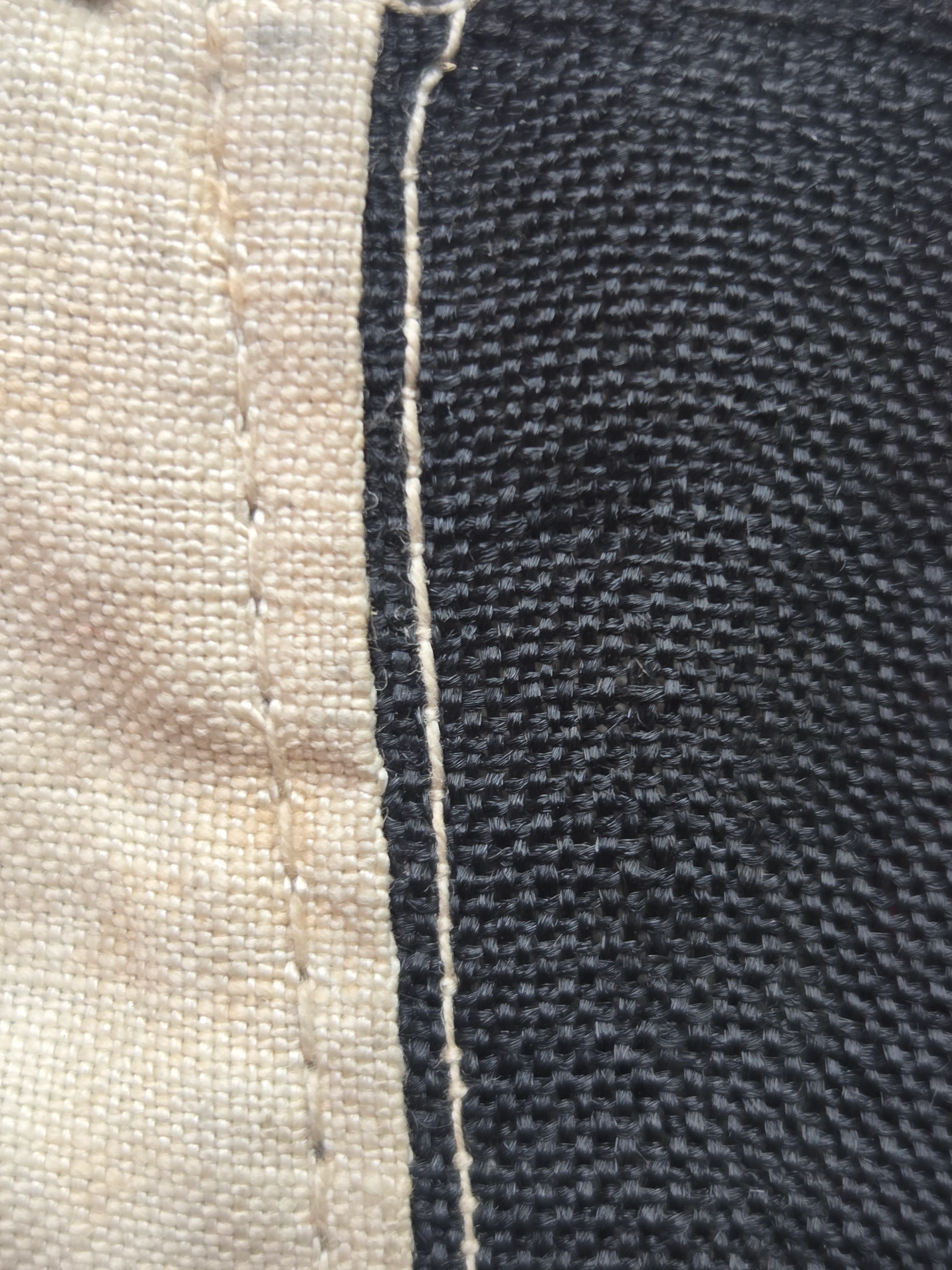
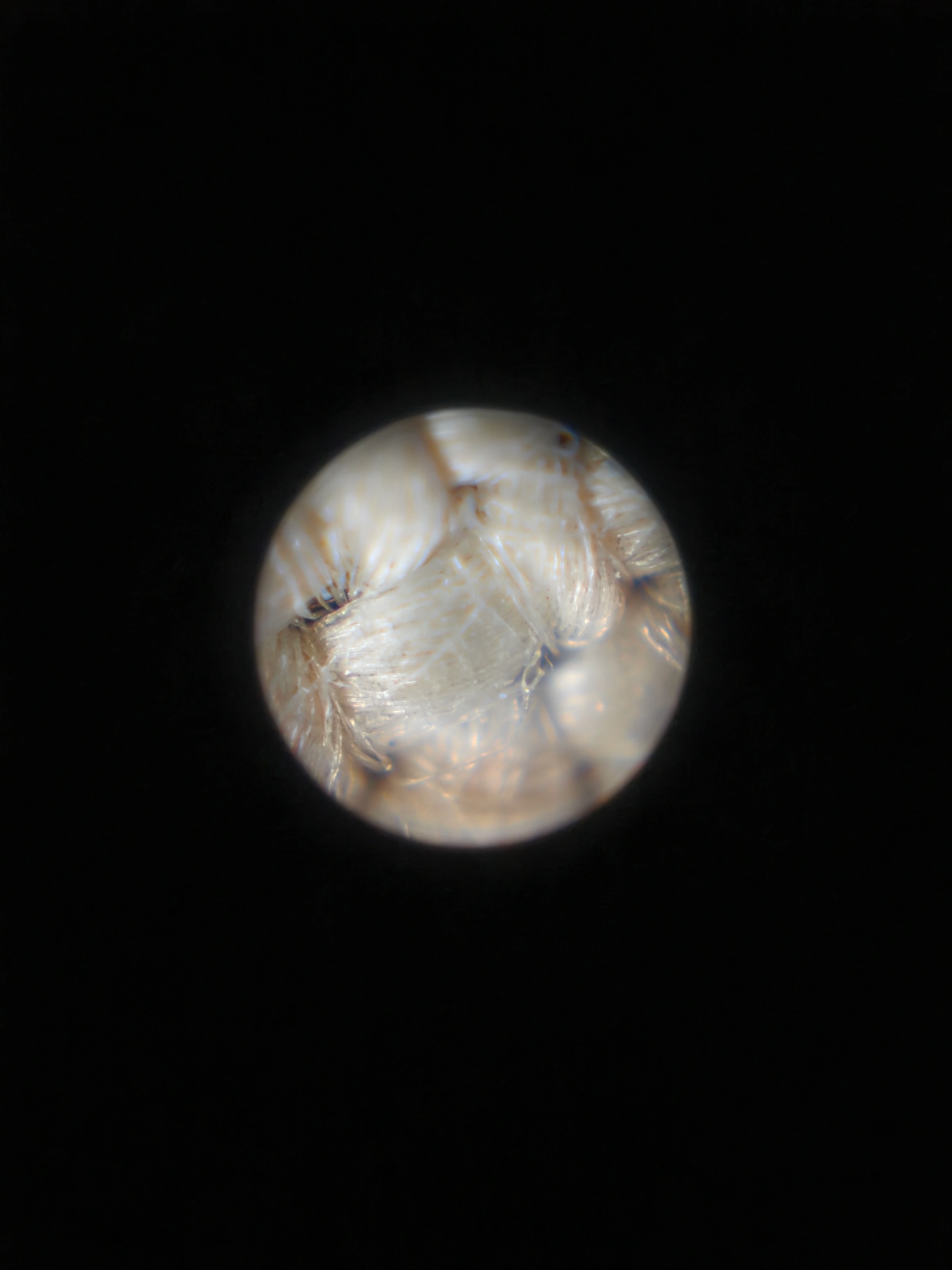
Stitching and Sewing Characteristics
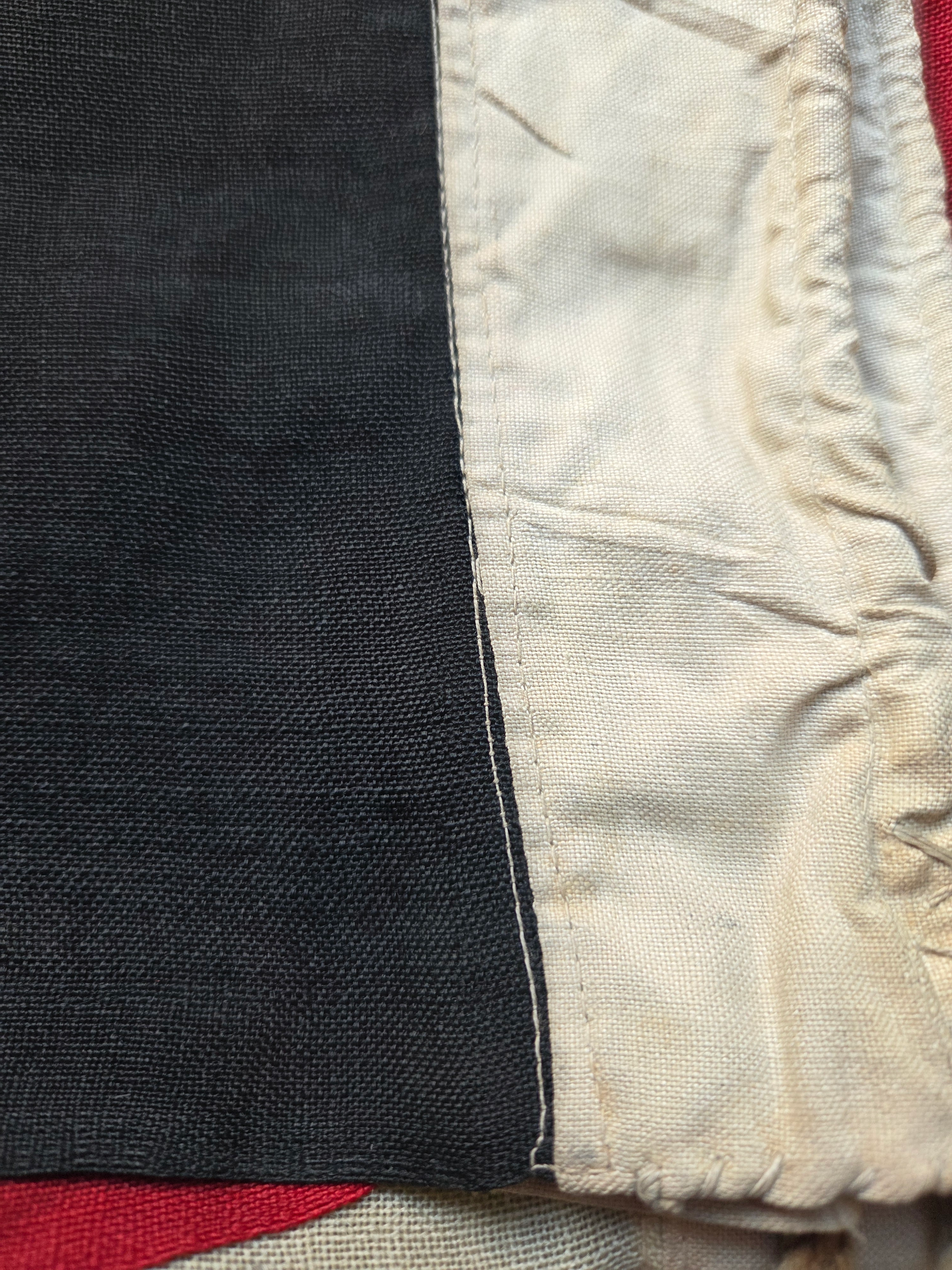
Dimensions, Proportion, and Markings
Hoist Rope Analysis
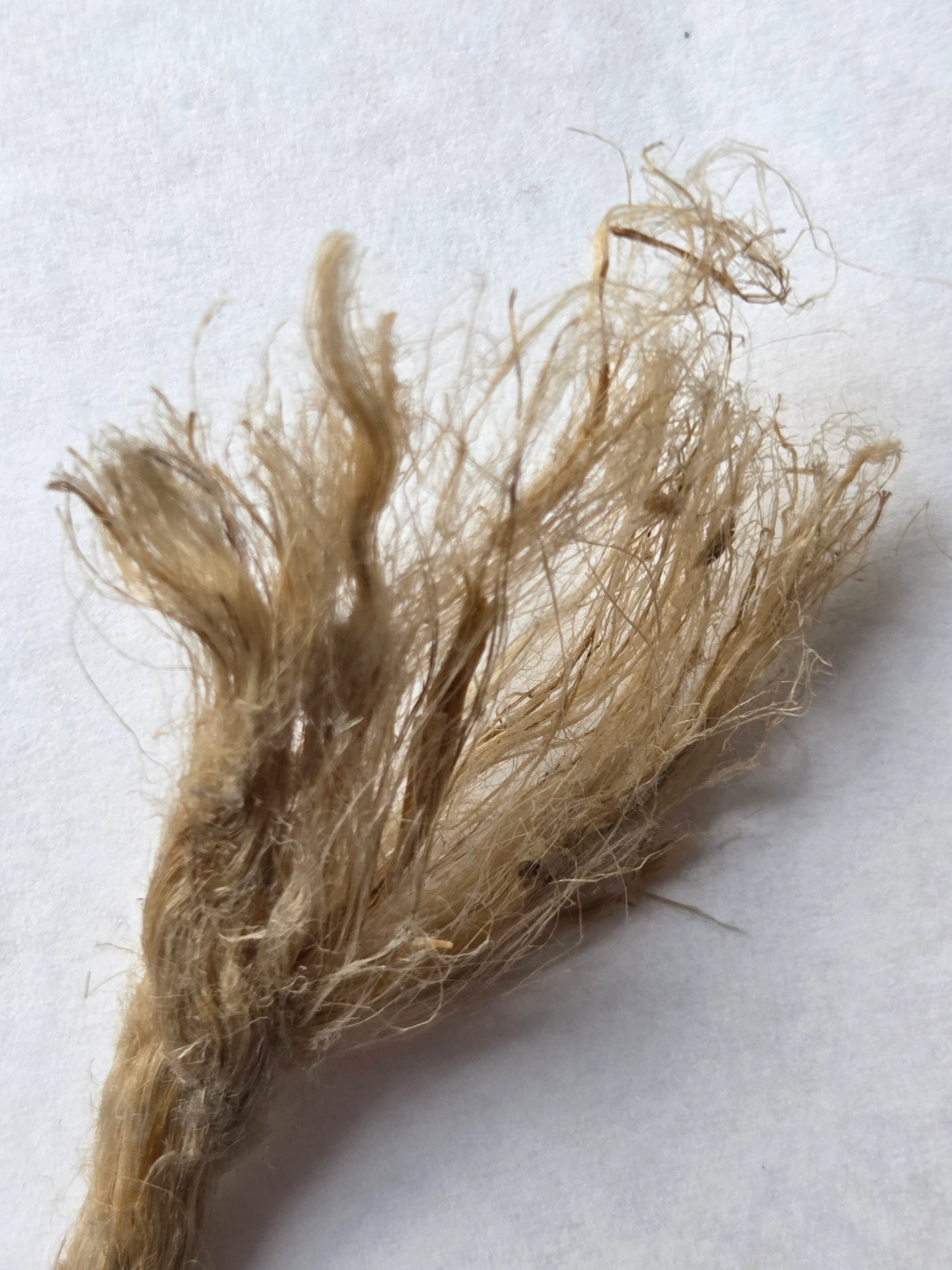
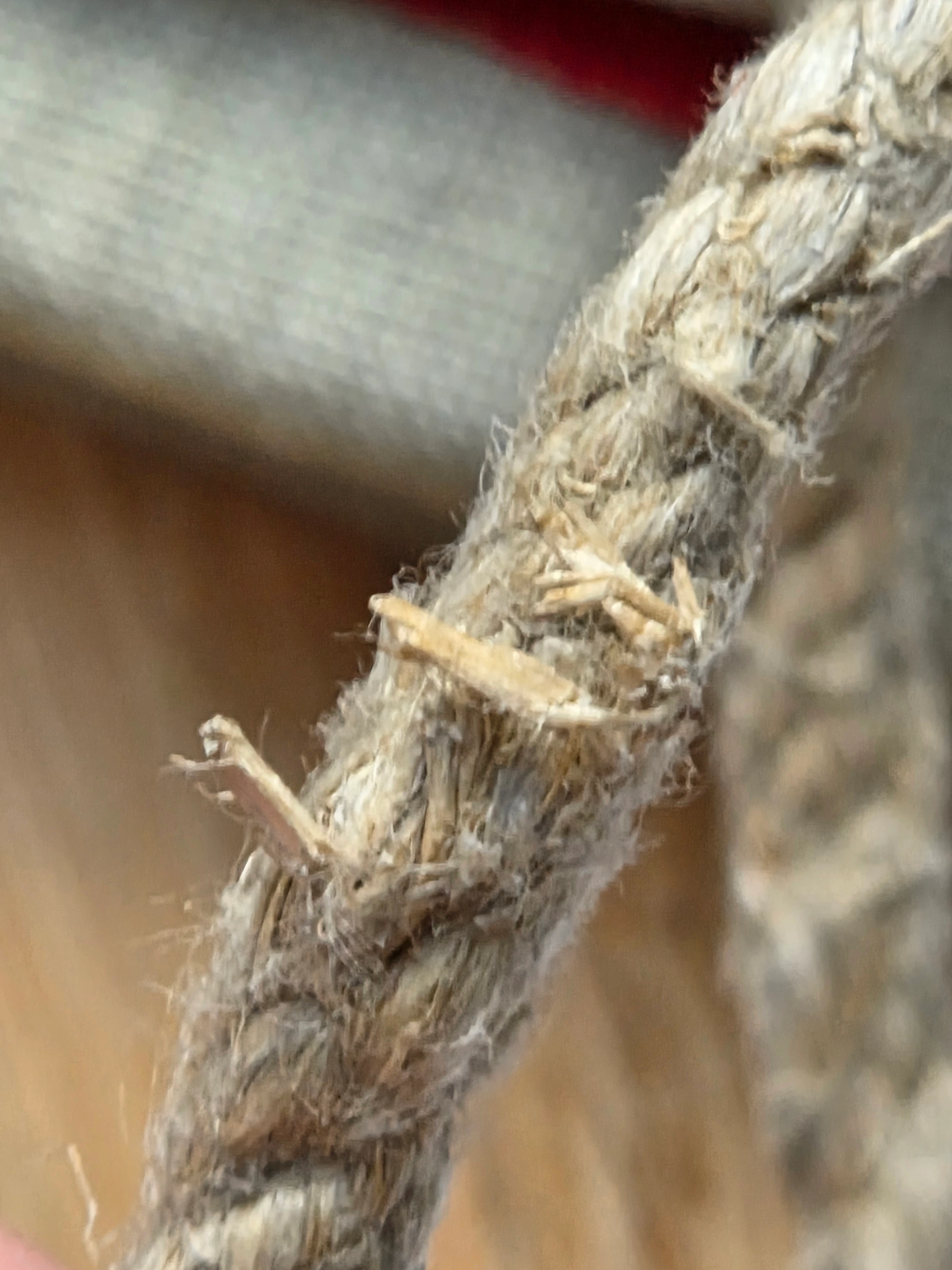
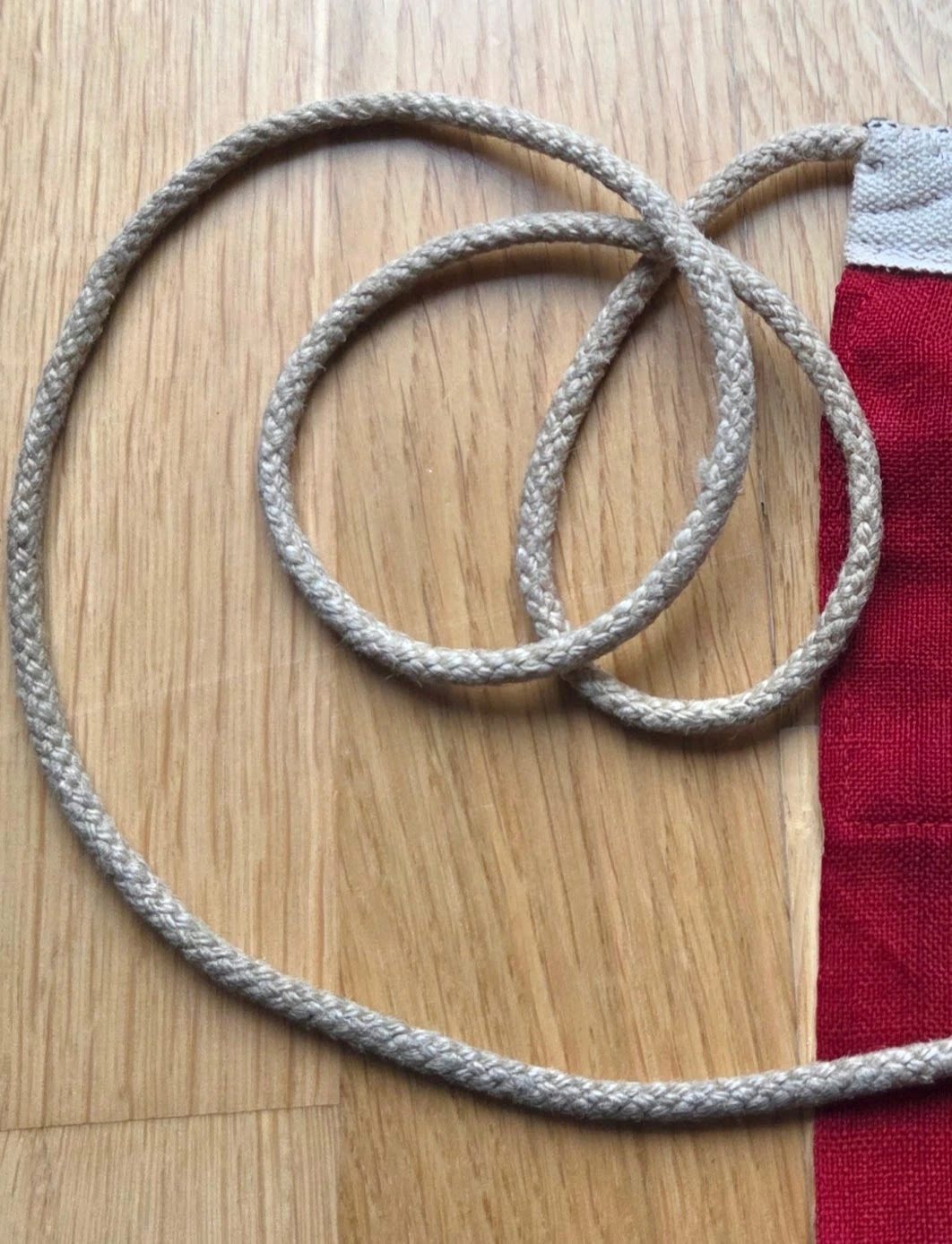
Additional Reference: Pre-1903 Twisted Hemp Rope
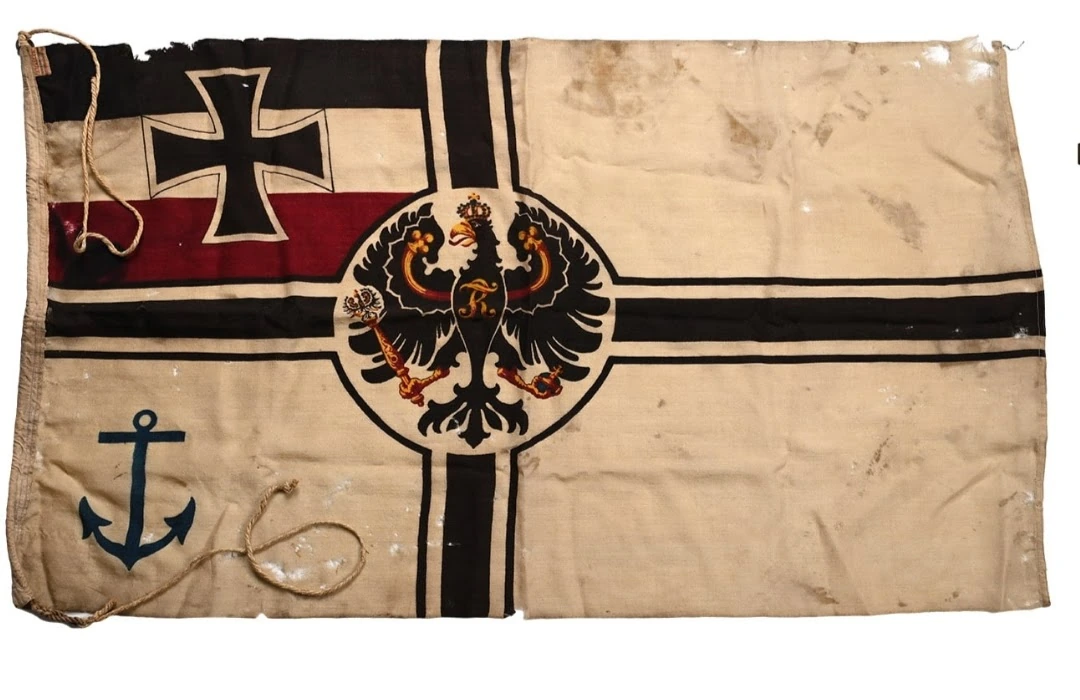
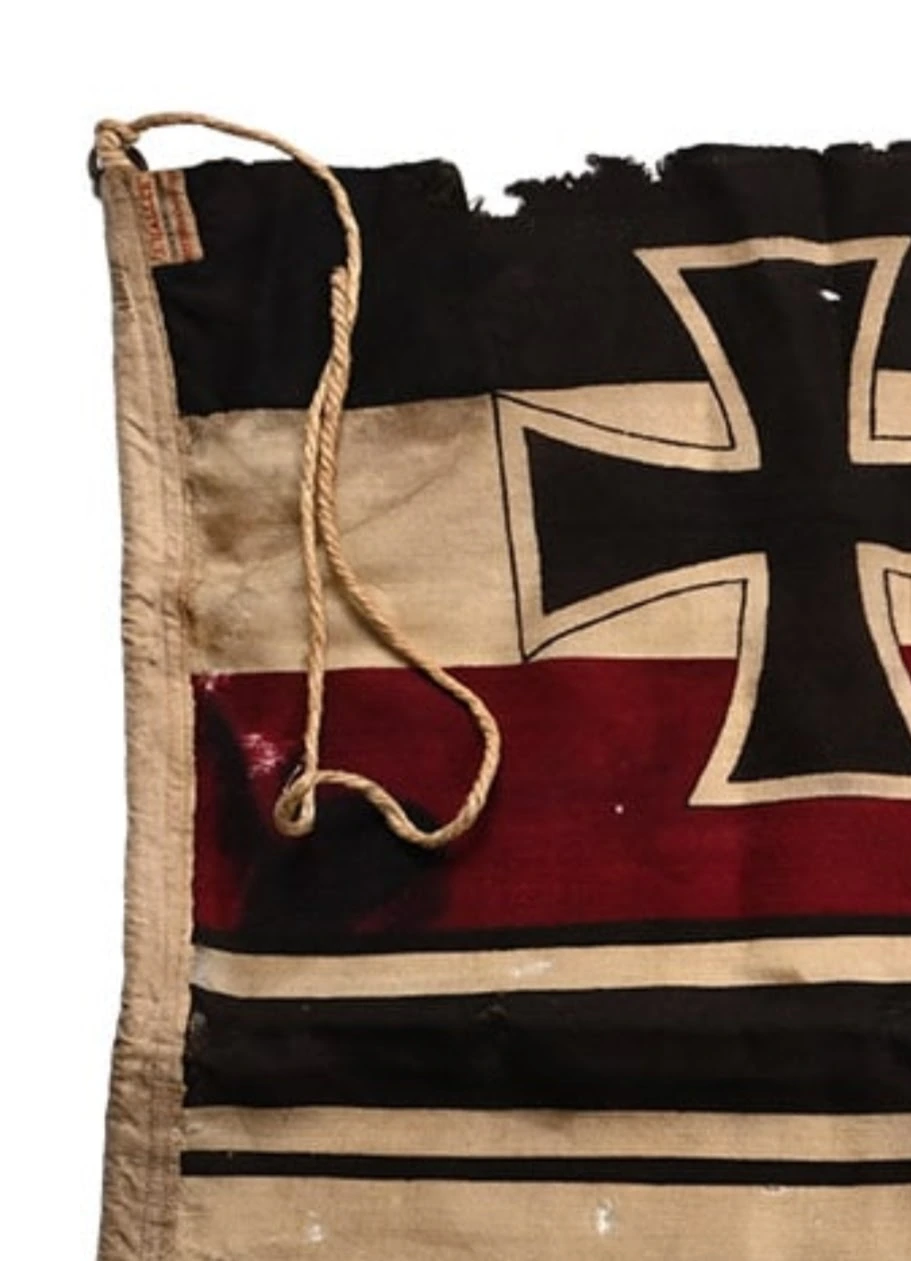
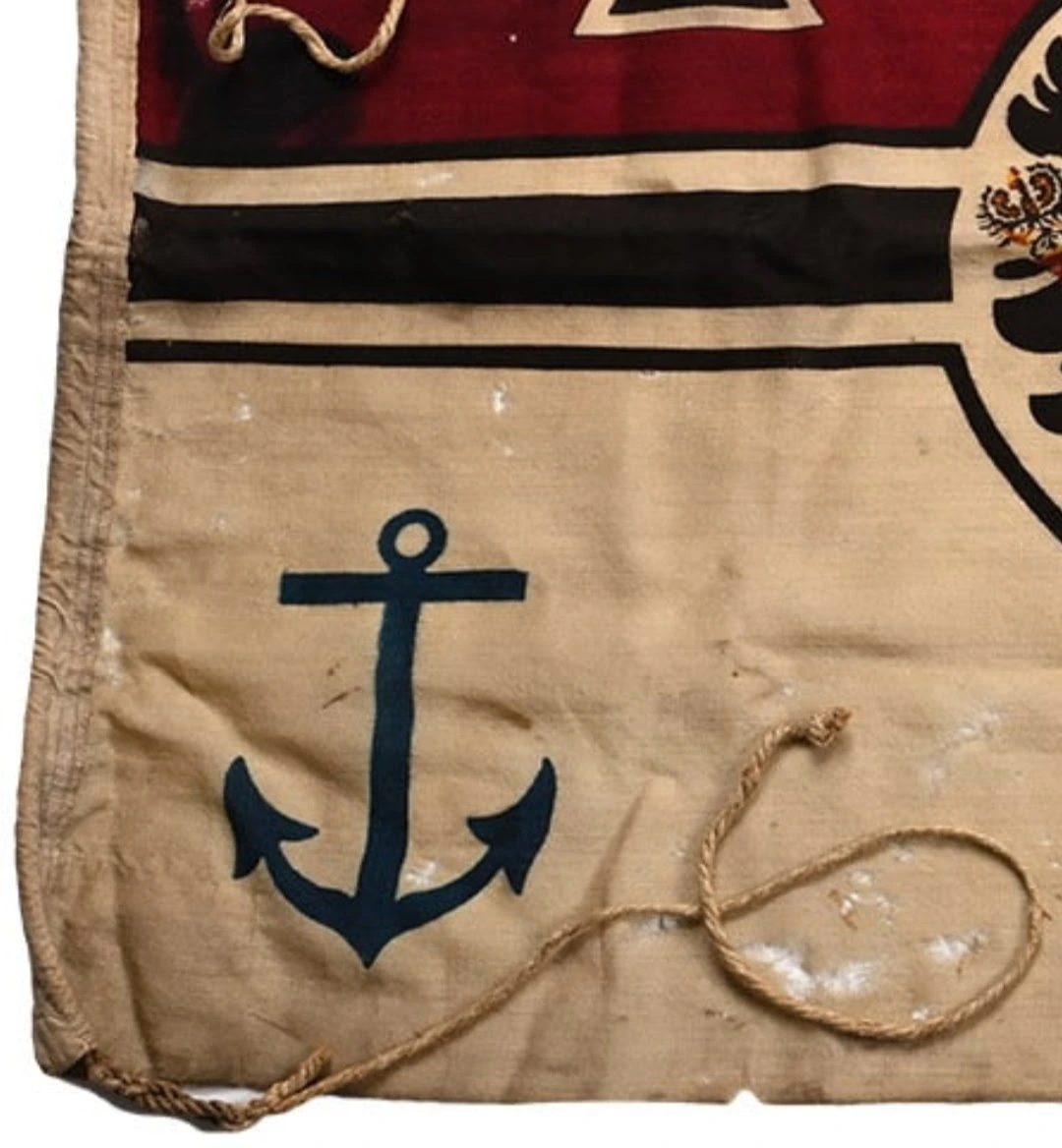
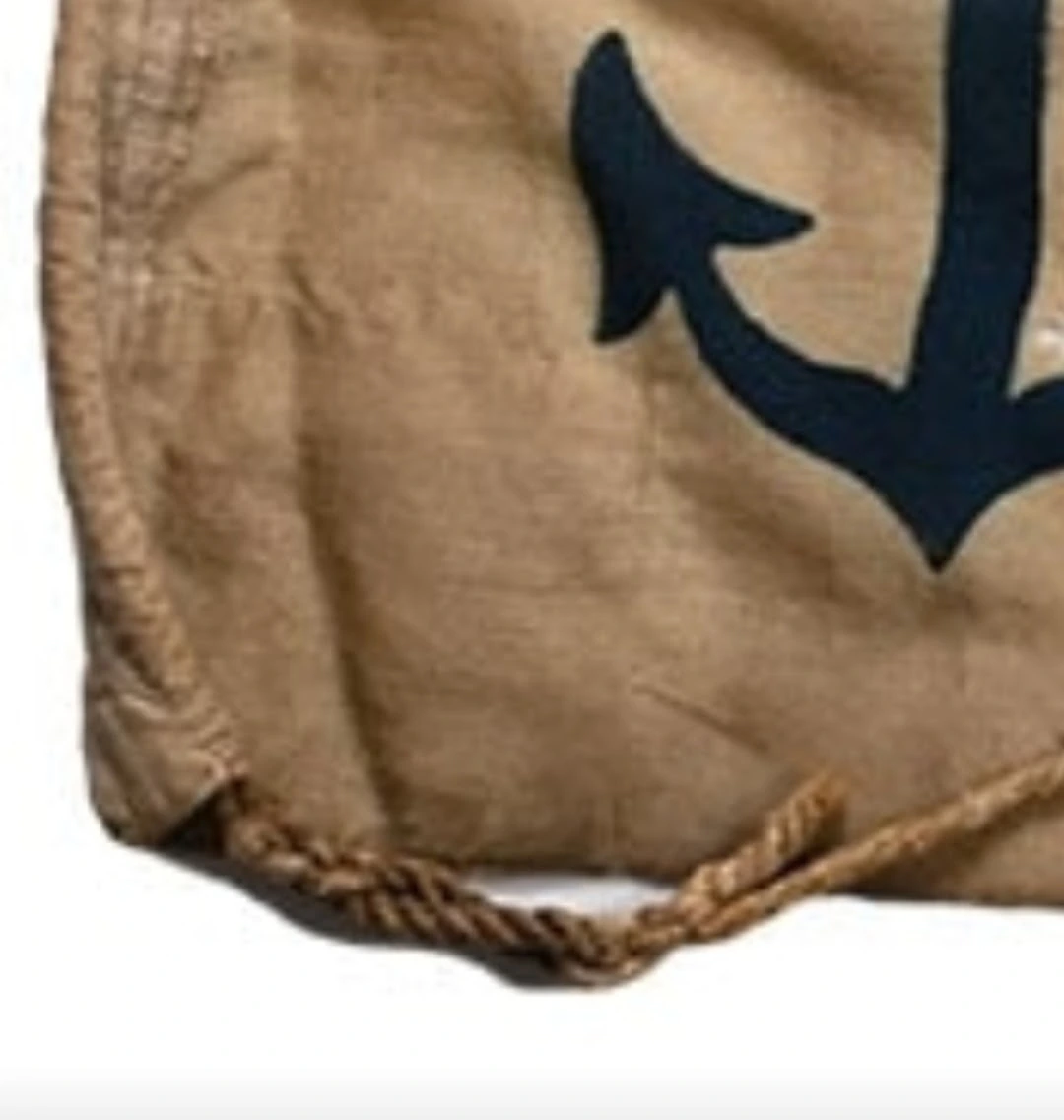
Provided through a private collection (courtesy of a friend). Summary and Dating
On balance of construction, materials, and hoist rope type, a production date around 1900 appears most likely, for civilian or institutional use under the Imperial tricolour. Additional Images
Sources and References
FlagGeek · https://flaggeek.net/archive/fg-032-german-empire-flag-wool-ca-1920s/